
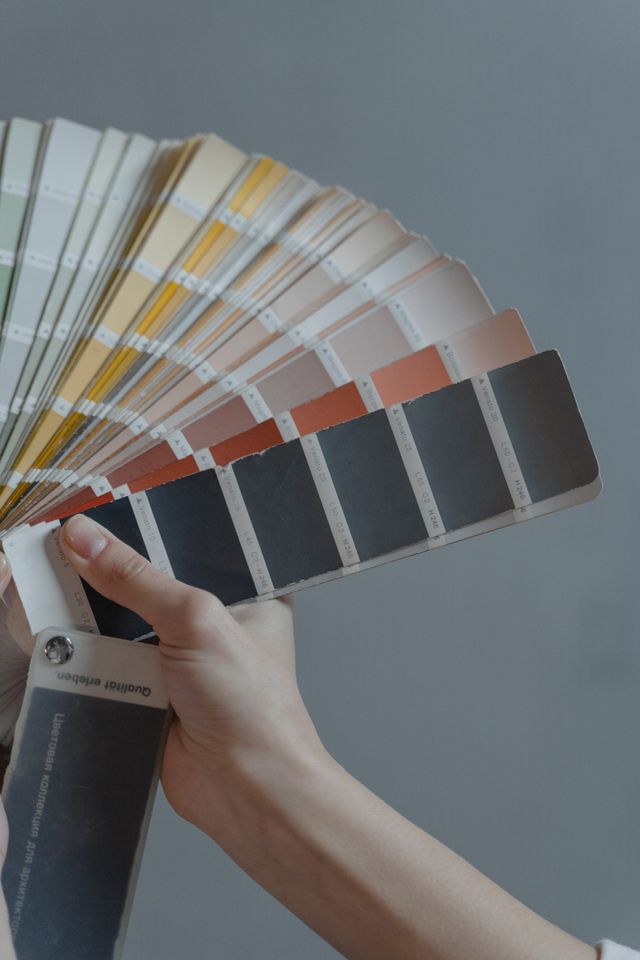
Choosing Concrete Colours
concrete removal adelaide people spend weeks picking roof colours, kitchen cabinets and flooring, then stand in the driveway for five minutes trying to choose the concrete.
That’s usually backwards.
Your driveway is one of the first things people see, and unlike a paint colour inside the house, you can’t decide you don’t like it next weekend and roll another coat over the top.
After doing hundreds of driveways around Adelaide, one thing we’ve noticed is that people often choose a colour from a tiny sample under fluorescent showroom lights. Then they’re surprised when it looks completely different outside in full sun.
Adelaide light is bright. Really bright. Colours that seem rich indoors often look much lighter once they’re exposed to a summer afternoon.
That’s worth remembering before you make the final call.
Most people assume darker concrete hides everything.
It doesn’t.
Dark greys tend to show dust, dried mud and leaf stains more than mid-grey shades. If you’ve got gum trees hanging over the driveway, you’ll probably notice those marks sooner than you expected. Lighter colours can disguise dust better, but they can also show tyre marks if vehicles regularly turn on the spot.
There isn’t a perfect colour.
There’s only the colour that suits how you actually live.
Here’s where people get caught out.
They pick a concrete colour without looking at the rest of the property.
The driveway shouldn’t compete with the house. It should tie everything together. Brick homes, rendered homes, Colorbond roofs, sandstone retaining walls—they all influence which shade will look right. We’ve seen beautiful driveways that somehow looked out of place simply because the colour belonged on a different style of home.
If you’re replacing an old driveway instead of building new, don’t forget about the paths, front porch or crossover.
Those areas all sit next to each other.
A small colour difference can suddenly become very obvious.
One thing we’ve noticed over the years is that exposed aggregate gives people a bit more flexibility because you’re looking at natural stone rather than a flat coloured surface. The stone creates variation, so dust, leaves and everyday wear don’t stand out as much. That’s one reason exposed aggregate has stayed popular across Adelaide for so long.
The funny thing is, homeowners often spend more time debating colour names than thinking about maintenance.
That’s the part that actually affects you every week.
If you don’t enjoy pressure cleaning every few months, think carefully before choosing very light decorative finishes around entertaining areas. Barbecues, pot plants, garden beds and kids’ bikes all leave their mark eventually. Concrete isn’t delicate, but no finish stays spotless forever.
Adelaide’s weather also plays a part.
Summer heat can be relentless, especially during those long stretches above 40 degrees. Darker surfaces absorb more heat, so they can become uncomfortable to walk on barefoot. Around pool areas or patios, that difference is something you’ll notice every January.
Then there’s the soil.
Across many Adelaide suburbs we’ve worked in, reactive clay causes movement over time. Colour won’t stop that, of course, but if repairs are ever needed years down the track, matching decorative concrete perfectly can be difficult. Plain colours are generally easier to blend than highly decorative finishes with unique stone mixes.
It’s something most people never think about until they actually need a repair.
Another mistake we see is following trends too closely.
Concrete usually stays in place for decades.
House design trends don’t.
Colours that feel fashionable today can date surprisingly quickly. Neutral greys, warm charcoals and natural stone blends have remained popular because they work with almost anything, even when homeowners repaint, renovate or replace landscaping later.
That doesn’t mean you should avoid colour.
It just means you’re making a long-term decision.
Here’s something we’ve learned after years on site.
Always look at large samples outside.
Morning, afternoon and late afternoon if you can.
Concrete changes appearance as the light changes, and a sample that looks perfect at midday might feel completely different once shadows start stretching across the driveway.
No brochure can show you that.
Neither can a computer screen.
Finally, don’t choose a colour because someone else said it was the best.
The nicest driveways we’ve built weren’t necessarily the most expensive or the most decorative. They simply suited the home around them. Everything looked balanced. Nothing felt forced.
That’s usually the goal.
Good concrete shouldn’t be the first thing people notice.
It should quietly make the whole property look better.
Get the colour right, and years later you’ll probably never think about it again.
That’s actually a pretty good sign you’ve made the right choice.